




King Cleveland Alto
$725.00
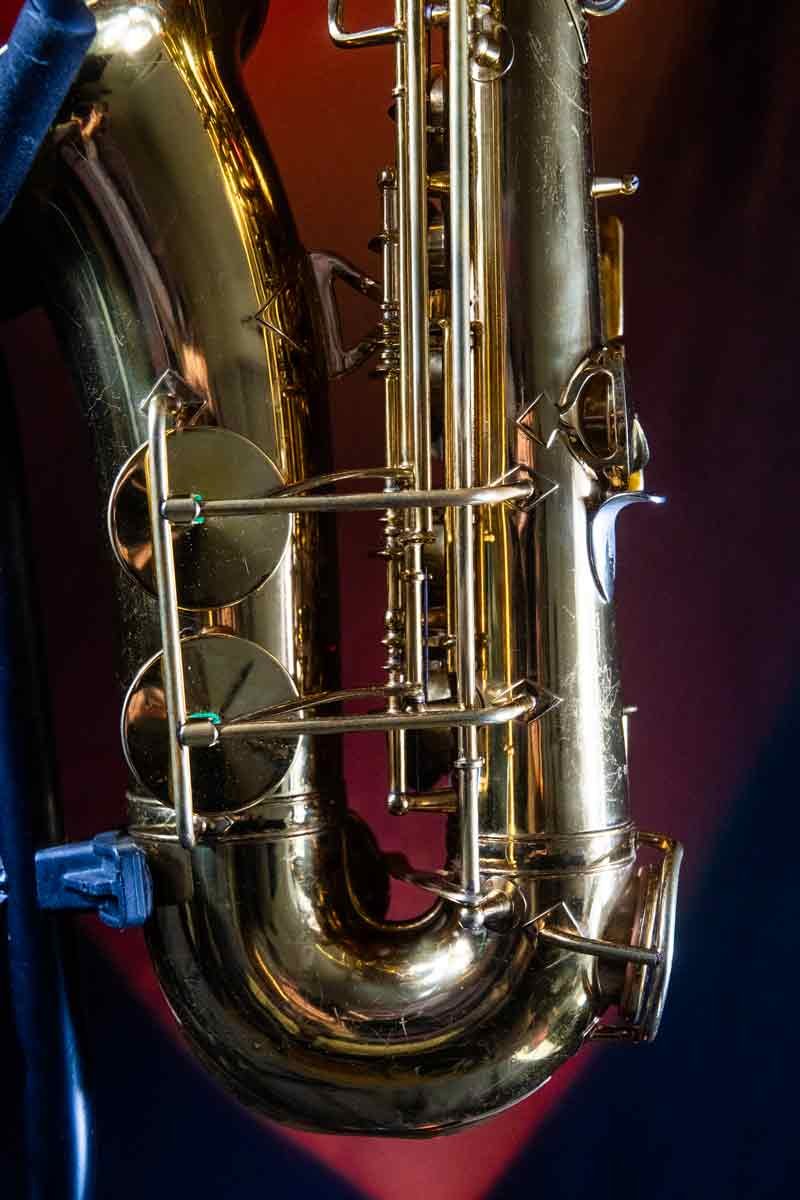
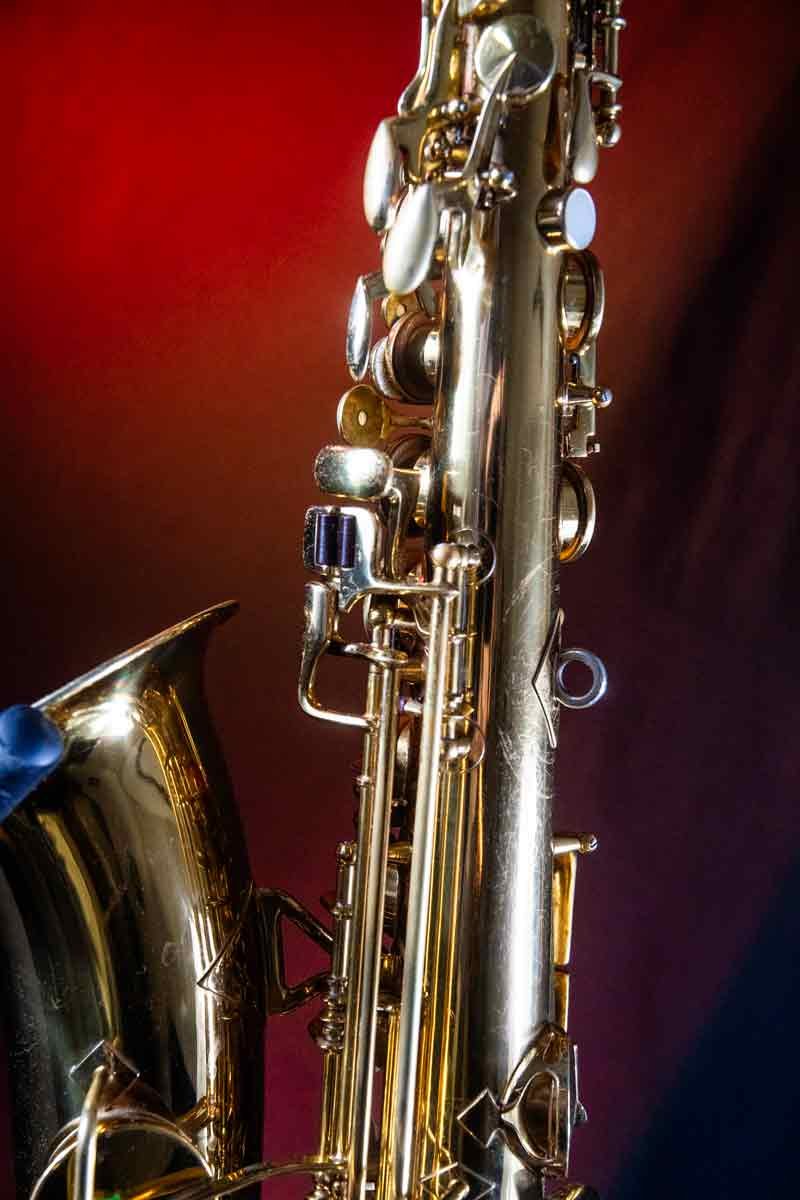
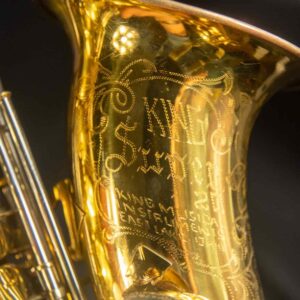
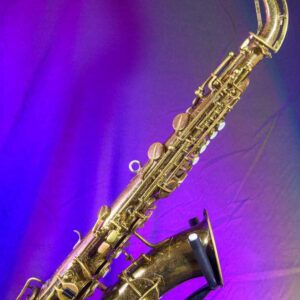
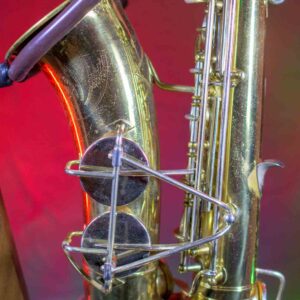
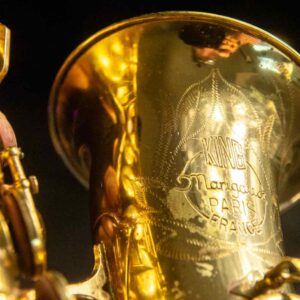
This King Cleveland saxophone, crafted in the USA circa 1956–1957, has just arrived in very good condition. It plays beautifully and remains a true American classic. While it shows some minor cosmetic wear, the only notable flaw is a small dent on the bottom of the bow (pictured in the final three slides). A perfect addition for any collector or player looking for that vintage sound.
1 in stock
Description
The King Cleveland alto saxophone is a well-regarded vintage student-line instrument known for its sturdy American build and “punchy” vintage tone. Originally produced by the H.N. White Company in Cleveland, Ohio, these horns were designed as a more affordable alternative to King’s professional models like the Zephyr and Super 20.
Key Models & Eras
- Early “Cleveland” Models (Pre-1960s): These often feature more traditional “in-line” tone holes rather than the offset layout found on modern saxophones. They are prized for a warm, lyrical sound but may have more challenging ergonomics, especially for smaller hands.
- King Cleveland 613: The most common version found today, often from the 1960s and 70s. It is considered a “workhorse” student horn that is very free-blowing and slightly brighter in sound color.
- King 660: A later student model (post-UMI acquisition) that typically features more modernized keywork, making it slightly easier for beginners to navigate than the oldest vintage versions.
Playing Characteristics
- Tone: Unlike many modern student horns that can sound thin, King Clevelands are often described as having a big, “fat” sound with a lot of character.
- Durability: These instruments were “built to last” for school bands and can withstand significant use, though they may require more frequent adjustments than modern Japanese-made student horns.
- Ergonomics: The left-hand pinky cluster (table keys) on older models can feel heavy or “stiff” compared to the refined Selmer-style layout used on contemporary saxes.
Current Market & Pricing
Since these are vintage instruments, prices vary significantly based on physical condition and whether they have been recently serviced.
Condition
We rate each horn’s condition. Any defects are noted here. Each criteria is on a scale of 1-10, with 1 being poor condition and 10 being perfect.
- Body (dents, deep scratches, etc.) – 7 Has a dent on bottom of bow and a dimple under one of the left hand palm keys. see last 3 pictures.
- Finish (lacquer, silver plate, paint, etc.) – 8 looks like original lacquer and is in good shape for its age
- Previous repairs (soldered posts, dent work, etc.) – 10 none noted
- Accessories (case, mouthpiece, etc.) – 9 Great original case, latches work, springs, etc. Mouthpiece has a burn on it. purely cosmetic.
- Playability (leaks, sticky keys, etc.) – 10
Reviews
There are no reviews yet.